Exactly How to Identify Asbestos Lagging on Pipes and Central heating boilers
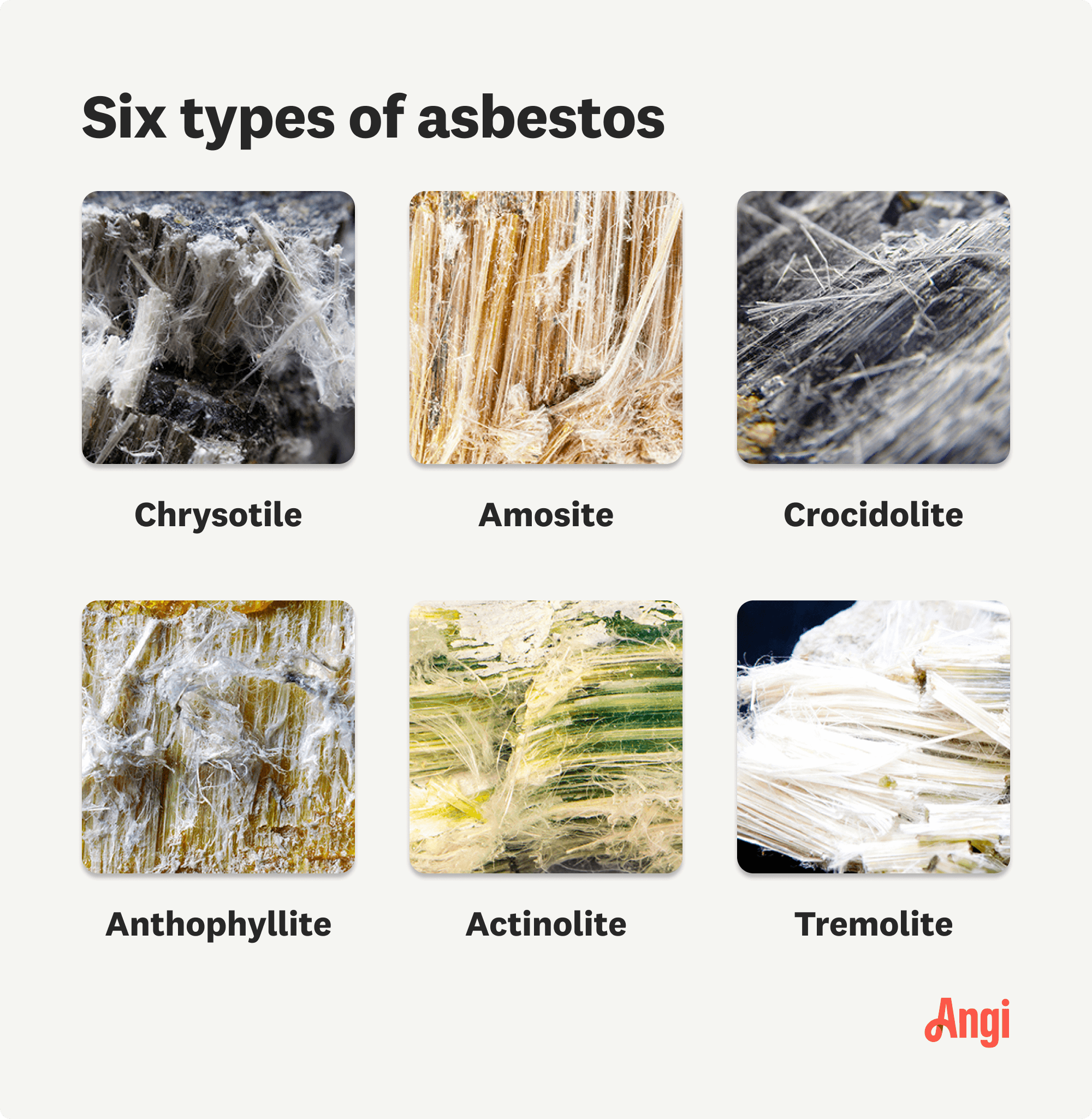
You can detect asbestos lagging on pipes and central heating boilers by looking for a rough, milky or coarse appearance, dry beige or grey shade, and a crumbly, grainy surface area— usually with covers of fabric, hessian, or paper. Splits, bulges, and subjected coarse layers are key warnings, specifically on older systems. Never ever interrupt or touch suspicious insulation; breathing in released fibers is dangerous. Just licensed specialists must examine or handle it. There's even more you need to know to stay secure and compliant.
Takeaways
- Seek white, grey, or beige insulation with a milky, crunchy, or fibrous structure, especially if it appears dusty or grainy.
- Asbestos lagging commonly shows up rough, plaster-like, or even corrugated, and might be wrapped in towel, canvas, or repainted finishings.
- Examine for insulation in older buildings, specifically on high-temperature pipelines, arm joints, valves, or central heating boilers set up prior to the late 1980s.
- Modern insulation is generally smooth, constant in color, and not grainy or covered in textile like older asbestos materials.
 * Never ever touch or disturb suspect insulation; only lab testing can confirm asbestos, so speak with a certified professional for analysis and tasting.
Just How Can You Tell If Pipeline Insulation Is Asbestos?
So, just how do you recognize if the pipeline insulation you're looking at has asbestos? Start with a aesthetic inspection-– look for insulation that's white or grey, chalky, or coarse. Asbestos lagging frequently appears as a hard, plaster-like cover or a corrugated cardboard-like material. You could additionally discover damages or powdering, which increases risk. However, aesthetic examination alone isn't definitive; many older products look similar. For precise recognition, you'll need material sampling. Only educated specialists should collect samples, making use of safety tools and complying with stringent procedures to stay clear of fiber release. Do not disrupt suspect insulation yourself. If you presume asbestos, limit accessibility and tag the area till research laboratory analysis confirms the existence or lack of asbestos fibers. Prioritize security at every action.
Why Was Asbestos Utilized on Pipes and Central heating boilers?
You'll observe asbestos was extensively related to pipelines and central heating boilers due to the fact that it supplies extraordinary thermal insulation, greatly minimizing warmth loss. Its noteworthy fireproof buildings made it a recommended guard versus high-temperature risks. In addition, you can see its historic appeal as an affordable solution, but it's important to acknowledge the serious wellness risks currently linked with its use.
Superior Warmth Insulation

Designers transformed to asbestos lagging for its unequaled thermal resistance, enabling pipelines and central heating boilers to keep heats while decreasing warmth loss. When you examine old pipework, you'll observe that asbestos lagging was commonly applied in thick, thick layers. This supplied exceptional thermal performance, minimizing energy waste and enabling systems to operate even more economically. Asbestos fibers interlace tightly, creating a resilient barrier that resists breakdown— also under constant thermal cycling— adding to insulation long life. When examining a site, always search for white, grey, or brownish coarse treatments, which may indicate asbestos lagging. Keep in mind, disturbing these maturing materials launches harmful fibers. Focus on safety by preventing get in touch with, and never ever effort to remove or sample insulation on your own. Professional asbestos surveyors need to take care of any type of believed products to avoid direct exposure.
Fire Resistance Benefits
Although thermal performance drove much of its adoption, asbestos lagging was likewise valued for its extraordinary fire resistance. When evaluating pipes and boilers, you'll observe that asbestos fibers were frequently integrated into fire-resistant layers to produce durable thermal barriers. These finishings do not simply insulate— they're crafted to inhibit flame spread and hold up against heats without weakening. Asbestos's crystalline structure stands up to combustion and assists maintain the stability of the underlying steel in case of a fire. If you run into old pipeline insulation that's milky, coarse, or covered in dense, white or gray material, it might be an asbestos fire-resistant covering. Always assume suspicious lagging is unsafe— troubling it can launch harmful fibers. textured coating removal Prioritize security by preventing direct contact and looking for specialist assessment.
Cost-Effective Product Selection
Several commercial and industrial sites depended on asbestos lagging because it supplied an unique mix of toughness and cost. When you're examining insulation materials, you'll observe asbestos was usually preferred over economical alternatives because of its outstanding thermal resistance and life expectancy. Unlike other options, asbestos fibers created a dense, secure barrier that reduced heat loss, which straight equated to long-term financial savings on power prices. Its resistance to corrosion and mechanical damage suggested you really did not need to change the lagging as frequently, decreasing upkeep expenditures. However, while the initial financial investment showed up cost-efficient, it's important to acknowledge the hidden health dangers that asbestos presents. Always prioritize security methods when examining older pipeline or boiler lagging to stay clear of disturbing unsafe asbestos fibers.
Where Is Asbestos Lagging Many Frequently Discovered?
You'll commonly encounter asbestos lagging on pipework in plants, especially around joints and bends where insulation was crucial. In domestic settings, boiler areas in older homes present substantial danger areas, as lagging might still cover pipelines or storage tanks. Public buildings usually have asbestos-insulated home heating systems, so it's necessary to evaluate these areas carefully before any type of maintenance or restoration.
Industrial Center Pipework Locations
Pipework systems in commercial facilities are prime areas for asbestos lagging, especially where thermal insulation or fireproofing is needed. You'll often experience asbestos products along pipework passages, specifically on high-temperature vapor or procedure lines. Focus attention on shutoff collections, as these areas usually include intricate signs up with and flexes, making them susceptible to heavy lagging applications. Asbestos lagging may show up as a white, grey, or beige finishing, sometimes covered with protective paint or towel. In older installations, harmed delaying can release unsafe fibers, so avoid troubling suspicious products. https://westcombeparkasbestosremoval.co.uk/services/soft-strip-demolition.html Always prioritize safety— use proper PPE and stay clear of straight get in touch with. If you suspect asbestos in these pipework areas, speak to a certified professional for sampling and elimination to minimize direct exposure risks in these high-traffic industrial environments.
Residential Central Heating Boiler Area Risks
Past industrial setups, asbestos lagging remains a considerable issue in residential boiler areas, where older heater typically feature shielded pipework and boilers. You'll generally discover asbestos related to warm water pipes, fittings, or around the central heating boiler casing itself. Throughout central heating boiler maintenance, disturbing this lagging can accidentally launch harmful fibers, seriously impacting air top quality. Poor central heating boiler ventilation intensifies this danger, as air-borne fibers may build up rather than dissipate. Aesthetically, asbestos lagging might look like a white or grey, milky or fibrous coating— sometimes wrapped in fabric or painted over. If you see degraded insulation, do not attempt repairs on your own. Unmanaged asbestos not just jeopardizes health and wellness however also affects heating performance by endangering insulation stability. Constantly speak with licensed professionals for assessment or removal.
Public Structure Heating Systems
Within public buildings, asbestos lagging is most commonly located on furnace components such as pipelines, shutoffs, arm joints, and central heating boiler surfaces— especially in frameworks developed or refurbished prior to the late 1980s. You'll typically experience asbestos insulation during power audits, where concealed delaying in central heating boiler spaces and service passages presents significant direct exposure dangers. When intending air flow upgrades, you have to analyze whether existing ductwork or pipeline insulation consists of asbestos fibers, as disturbing this product can launch unsafe dirt. Always check for breakable, fibrous, or cloth-like treatments with a white, grey, or brown hue. Never ever try elimination— engage licensed professionals.
Location
Asbestos Lagging Danger
Pipe bends/elbows
Really high
Boiler surfaces
High
Valve insulation
Modest
Service passages
Raised
Ductwork joints
Moderate
What Does Asbestos Lagging Resemble vs Modern Insulation?
Although it can be challenging to distinguish at a look, asbestos lagging usually looks like a harsh, grey-white, or off-white product that's frequently brittle or coarse in texture, in some cases covered in hessian, canvas, or repainted with a safety finish. When making a textural comparison, you'll see asbestos lagging feels completely dry, dusty, and might disintegrate quickly— these are key aesthetic indications. In contrast, modern insulation is generally smooth, consistent in shade, and crafted from materials like fiberglass or foam. Modern items are less likely to be covered in material and lack the grainy, friable surface seen with asbestos. Always stay clear of touching suspicious products; visually check from a secure range, as troubling asbestos fibres can launch unsafe particles right into the air, producing significant wellness threats.
Physical Indications That Point to Asbestos Lagging
Identifying asbestos lagging depends on even more than simply shade and appearance— there specify physical indications you can search for when visually examining pipework or central heating boilers. You'll usually see a textured wrapping that might appear fibrous, harsh, or split. This covering can be do with paper, canvas, or also repainted, however the underlying framework is usually irregular and not uniform like modern-day insulation. Pay close interest to any type of falling apart surface, as asbestos lagging tends to deteriorate with time, releasing fine dust or fragments. this glazier Bulging, splitting, or flaking locations are essential indications, particularly where insulation is old or subjected. Always remember, even small abrasions or breaks in the lagging can position serious inhalation dangers, so avoid troubling any believed asbestos product throughout your evaluation.
What to Do If You Suspect Asbestos on Pipes
If you think asbestos lagging on pipelines, it's crucial to prioritize safety and stay clear of disturbing the material. Do not touch, reduce, or effort to cleanse the surface area. Asbestos fibers can end up being airborne if the lagging is damaged, presenting health and wellness risks. Keep the area ventilated however limitation access, specifically for youngsters and family pets. File your observations and notify others in the residential or commercial property regarding potential dangers. Note that disturbing asbestos may have legal effects, such as needs for disclosure or expert evaluation. Begin wellness surveillance if direct exposure is thought, seeking advice from work health experts. Use the table below to clarify your next actions:
Tip
Why It Issues
Security Focus
Don't disturb
Prevent fiber launch
Crucial for health and wellness
Separate area
Limitations exposure
Secures owners
Document searchings for
Supports lawful requirements
Guarantees thorough records
Alert others
Rises understanding
Shared security
Begin surveillance
Early health and wellness detection
Comfort
Should You Get rid of Asbestos Yourself or Call a Pro?
Given the significant health and wellness threats associated with air-borne asbestos fibers, removal of asbestos lagging is seldom a secure do-it-yourself task. Handling asbestos materials, especially throughout do it yourself removal, can disturb fibers and release them into the air, posing threats to you and others in the location. Specialized training, adverse air stress systems, and individual protective tools are called for to decrease fiber exposure and cross-contamination. Moreover, incorrect handling can leave you with legal liability, as regulations mandate rigorous control, disposal, and notice treatments for asbestos abatement. If you try removal without accreditation, you take the chance of breaking neighborhood and national regulations, incurring fines or criminal fees. For your security and conformity, it's best to employ a certified specialist experienced in asbestos reduction and disposal.

Frequently Asked Questions
Can Asbestos Lagging Release Fibers Into the Air if Disturbed?
Yes, asbestos lagging can release fibers right into the air if interrupted, presenting considerable disruption risks. When you reduced, drill, and even manage broken lagging, microscopic asbestos fibers end up being airborne and are easily breathed in. Fiber launch is specifically hazardous since these fibers are unnoticeable and can stay put on hold for hours. Constantly make use of strict safety and security protocols, such as putting on safety devices and using containment techniques, to reduce exposure and avoid wellness issues from asbestos inhalation.
Just How Much Asbestos Direct Exposure Is Dangerous for Wellness?
There's no safe dosage threshold for asbestos direct exposure— any type of quantity can be hazardous, especially with lengthy term direct exposure. You may not see instant signs, yet inhaling also low degrees of asbestos fibers gradually significantly elevates your danger of illness like asbestosis, lung cancer, and mesothelioma. Constantly focus on security: stay clear of disturbing products that could have asbestos and make use of suitable personal protective devices if you presume contamination in your atmosphere.
What Safety Equipment Is Required When Near Possible Asbestos Lagging?
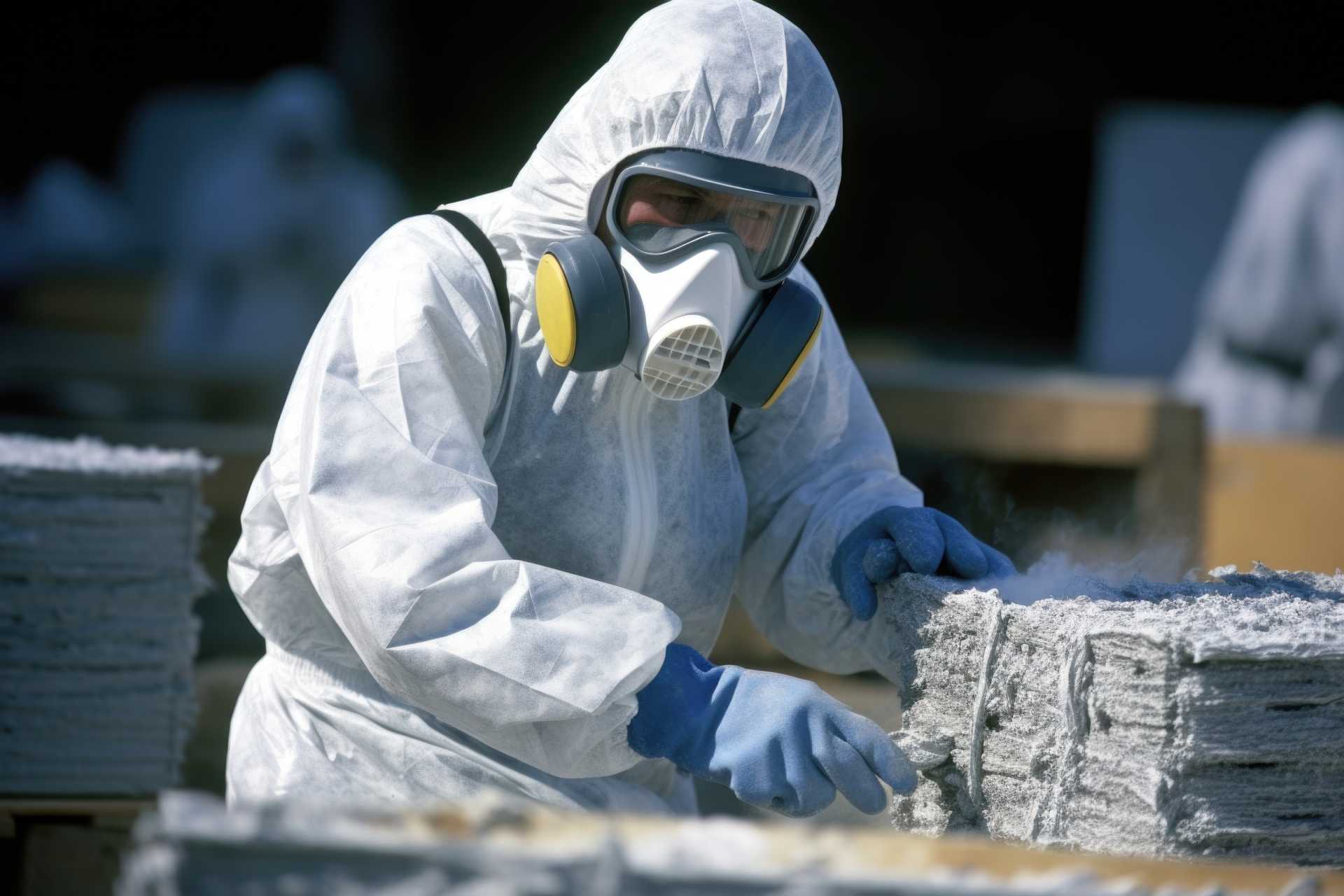
When you're strolling a tightrope of safety and security near prospective asbestos lagging, constantly make use of correct respiratory security, like a P100 or HEPA-filtered respirator, to avoid breathing in unsafe fibers. Do not neglect non reusable coveralls, which ought to be secured at the wrists and ankle joints to limit skin contact and fiber transfer. Gloves, safety and security goggles, and shoe covers are necessary for all-encompassing protection. Never recycle contaminated equipment-– disposal after each usage is extremely important for your health and wellness.
Are There Any Kind Of Legal Requirements for Reporting Asbestos Searchings For?
Yes, you're legally called for to notify authorities if you identify asbestos in a work environment or public structure. Laws mandate that you maintain documents of the area, condition, and evaluation results. In-depth documentation guarantees ongoing safety and security and compliance. asbestos removal specialists Immediate reporting aids protect against unexpected disturbance and direct exposure. You must adhere to regional and national security codes, guaranteeing all searchings for are interacted to appropriate health and wellness and security bodies and that correct remediation procedures are applied.
Can Asbestos Delaying Affect Home Resale Value?
Visualize your home as a castle— surprise dangers in the walls can tarnish its value immediately. Yes, asbestos lagging can substantially impact your home value, as buyer understanding shifts towards caution and risk. Comprehensive examinations flag asbestos as a major security issue, and remediation costs evaluate heavily on arrangements. You'll discover purchasers might wait or demand lower deals, focusing on health and wellness and compliance over charm, making openness and professional monitoring crucial.